
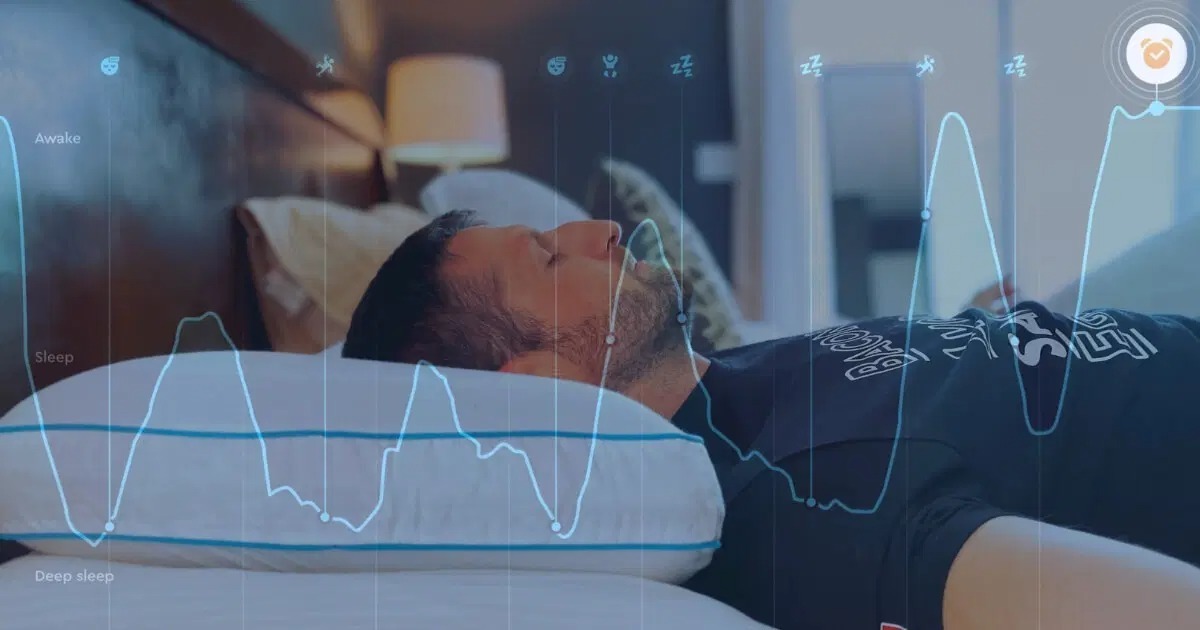
Sleep Apnea Ring Monitor: A New Era in Sleep Health Tracking
Introduction
Sleep is essential to our overall health, yet millions of people suffer from undiagnosed sleep disorders. Among the most common and potentially dangerous is sleep apnea—a condition where breathing repeatedly stops and starts during sleep. While traditional diagnostic methods like polysomnography (sleep studies) are effective, they are often expensive, inconvenient, and inaccessible for many.
Fortunately, recent advancements in wearable technology have made it easier to monitor sleep health from the comfort of home. One such innovation is the sleep apnea ring monitor, a discreet, non-invasive, and intelligent device designed to detect potential signs of sleep apnea and provide actionable insights into your sleep quality.
We’ll explore how sleep apnea ring monitors work, how they compare to other wearables like a ring fitness tracker, and how they’re changing the landscape of sleep medicine.
What Is a Sleep Apnea Ring Monitor?
A sleep apnea ring monitor is a small, ring-shaped wearable device designed to be worn on your finger during sleep. Unlike traditional sleep monitoring systems that require bulky equipment, wires, and overnight lab stays, this ring is lightweight, comfortable, and designed for continuous home use.
Key Features
- Oxygen Saturation (SpO2) Monitoring: One of the main indicators of sleep apnea is a drop in blood oxygen levels. The ring uses a built-in sensor to measure SpO2 throughout the night.
- Heart Rate Tracking: Abnormal heart rate fluctuations during sleep may be a sign of breathing disruptions.
- Motion Detection: Tracks subtle finger and hand movements to detect restlessness or potential arousals from sleep.
- Pulse Oximetry: Uses infrared light to detect how much oxygen is carried in the blood, offering data points that are critical for sleep apnea screening.
- Data Synchronization: Most devices connect via Bluetooth to a smartphone app, where users can view reports, trends, and receive alerts.
These features enable the ring to detect events like apneas (complete cessation of breathing) and hypopneas (partial obstructions), which are common in people with obstructive sleep apnea (OSA).
How Does a Sleep Apnea Ring Monitor Work?
The sleep apnea ring monitor functions through a combination of photoplethysmography (PPG) and accelerometry.
- Photoplethysmography: This is a non-invasive optical technique that measures blood volume changes in the microvascular bed of tissue. By shining light through your skin and measuring the light that’s either absorbed or reflected, the device can calculate oxygen saturation and heart rate.
- Accelerometer: Detects movement and can be used to infer sleep stages, body movements, and sleep position.
Together, these sensors provide a comprehensive picture of what’s happening while you sleep. If your blood oxygen level drops below a certain threshold or you show signs of irregular breathing patterns, the ring logs this data and flags it in your app for review.
Some advanced sleep apnea ring monitors are even equipped with AI algorithms that can predict the likelihood of sleep apnea based on your historical data, personal profile, and ongoing trends.
Sleep Apnea vs. Normal Sleep Tracking
Many consumers confuse a sleep apnea ring monitor with a general ring fitness tracker, but there are some important differences.
Ring Fitness Tracker
A ring fitness tracker is primarily designed to monitor:
- Daily step count
- Calories burned
- Active minutes
- Sleep duration and quality (light, deep, and REM stages)
- Heart rate variability
Popular devices in this category include Oura Ring and Motiv Ring, which focus heavily on fitness, recovery, and wellness metrics. While some can provide sleep data, their ability to detect specific conditions like sleep apnea is limited.
Sleep Apnea Ring Monitor
In contrast, a sleep apnea ring monitor is engineered specifically for medical-grade sleep data, with a focus on:
- Oxygen desaturation events
- Breathing irregularities
- Heart rate drops or spikes
- AHI (Apnea-Hypopnea Index) estimation
- Real-time alerts (in some models)
Though some rings blur the line between the two categories, sleep apnea rings are usually more specialized and suitable for clinical assessment.
Who Should Use a Sleep Apnea Ring Monitor?
Sleep apnea is estimated to affect more than 1 billion people worldwide, and it’s believed that over 80% of cases remain undiagnosed. Certain individuals are at a higher risk, including:
- People who snore loudly
- Those who feel tired despite a full night’s sleep
- Individuals with high blood pressure or obesity
- People with a family history of sleep apnea
- Smokers and alcohol users
- Postmenopausal women
If you fall into one or more of these categories, a sleep apnea ring monitor could serve as an early detection tool. It won’t replace a full sleep study, but it can provide enough evidence to consult a sleep specialist and pursue further testing.
Benefits of Using a Sleep Apnea Ring Monitor
Convenience and Comfort
You wear it like a regular ring—no wires, no sticky patches, and no hospital stays. You can use it every night without even noticing.
Early Detection
Many people live with undiagnosed sleep apnea for years. These rings can highlight potential problems before they become severe, helping users seek medical help sooner.
Continuous Monitoring
Unlike one-time tests, these devices can be worn nightly, giving you trends over time. This helps in identifying patterns and tracking the effectiveness of treatments like CPAP therapy or lifestyle changes.
Cost-Effective
While a full sleep study can cost thousands of dollars, most sleep apnea ring monitors are available at a fraction of the cost and can be used repeatedly.
Limitations and Considerations
While promising, sleep apnea ring monitors are not a replacement for professional diagnosis. Most are not FDA-approved medical devices and should be seen as screening tools, not diagnostic tools.
Other potential limitations include:
- Accuracy variance between devices
- Battery life (some need daily charging)
- App reliability
- Privacy concerns regarding health data
Always consult a physician if you suspect you may have a sleep disorder.
The Future of Sleep Health
As wearable health technology continues to evolve, the line between medical devices and consumer electronics is becoming increasingly blurred. With the integration of AI, cloud-based analytics, and telemedicine, tools like the sleep apnea ring monitor are playing a vital role in democratizing healthcare.
Combined with lifestyle changes and professional support, these devices could significantly reduce the health risks associated with untreated sleep apnea—such as heart disease, stroke, and cognitive decline.
Conclusion
The sleep apnea ring monitor is a game-changer in sleep health, offering an easy, accessible way to detect signs of sleep apnea without the hassle of traditional testing methods. While it shouldn’t replace professional medical evaluation, it can be an essential first step in identifying issues, tracking progress, and ultimately improving your quality of life.Whether you’re someone who’s always tired despite a full night’s rest, or you’re already using a ring fitness tracker and want deeper sleep insights, exploring a specialized sleep apnea ring could be the smartest move you make for your health.
Disclaimer
This article is provided for informational and educational purposes only and is not intended as medical advice, diagnosis, or treatment. The information presented about sleep apnea, wearable monitoring devices, and related health conditions is meant to increase awareness and general understanding.
Always consult a qualified healthcare provider or sleep specialist before making any decisions about medical testing, diagnosis, or treatment for sleep apnea or any other sleep-related condition.
The author and publisher do not assume responsibility for any health outcomes, side effects, or consequences resulting from the use or misuse of the information provided in this article.
The sleep apnea ring monitor and similar wearable devices discussed are screening tools, not substitutes for professional medical evaluation or a clinical sleep study.
If you suspect you have a sleep disorder or experience symptoms such as excessive daytime sleepiness, loud snoring, or irregular breathing during sleep, please seek professional medical advice promptly.