
Life With Dogs in Onslow County Turning Chaos into Calm
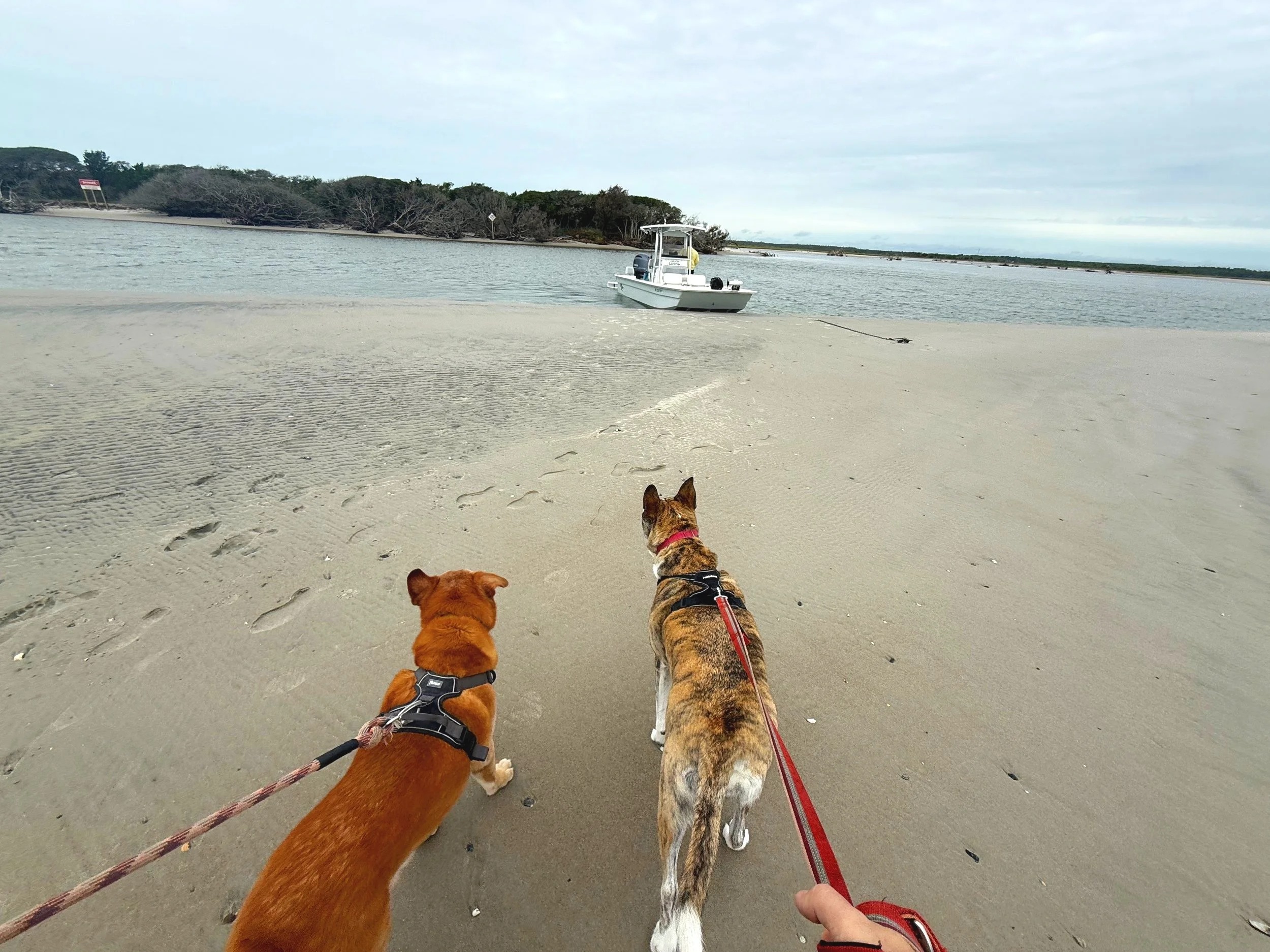
We all have the same dream when we first bring a puppy home. You picture long, peaceful walks along North Topsail Beach, sunny afternoons at the park where your dog plays gently with others, and quiet evenings at home. But for many dog owners in Eastern North Carolina, the reality looks quite different.
Instead of peaceful beach strolls, you might be dealing with a leash-pulling struggle that leaves your shoulder aching. Instead of relaxing at a local brewery, you’re constantly managing a dog that barks at everything that moves. If your dog ignores your calls, jumps on guests, or treats your furniture like a chew toy, you aren’t living the dream—you are managing a crisis.
Living in this beautiful coastal region offers incredible opportunities for outdoor adventures with your canine companion. However, accessing that lifestyle requires more than just love and treats. It requires communication. This is why seeking professional dog training in Onslow County, NC, is less of a luxury and more of a necessity for a harmonious life. It is the bridge between the dog you have and the dog you want.
The Unique Challenges of the Coastal Lifestyle
Onslow County is a fantastic place to own a dog, but it comes with a specific set of distractions that can overwhelm an untrained animal. From the bustle of Jacksonville to the sensory overload of the coastline, your dog is constantly bombard with sights, sounds, and smells.
The Beach Distraction Factor
Taking your dog to the beach is one of the biggest perks of living here. But the beach is a high-stimulation environment. You have crashing waves, shorebirds, other dogs, fishermen, and endless sand to dig in. A dog without a solid recall (coming when called) or a strong “leave it” command can quickly get into trouble. They might disturb nesting wildlife, approach a reactive dog, or pick up dangerous debris washed ashore.
Training gives you the confidence to unclip the leash where allowed, knowing your dog will return to you the moment you ask. It turns a stressful vigilance mission into a genuinely relaxing experience.
Housing and Rental Realities
Onslow County has a high population of renters and military families. When you rent a home, a destructive or noisy dog isn’t just an annoyance; it’s a financial liability. Excessive barking can lead to noise complaints, and anxiety-induced destruction can cost you your security deposit.
Well-trained dogs are better tenants. They settle faster in new environments, suffer less from separation anxiety, and understand boundaries within the home. Investing in training is often an investment in your housing security.
Moving Past the “Wild Child” Phase
We often label high-energy or disobedient dogs as “bad,” but this is rarely the case. Most often, they are simply bored, confused, or overstimulated. They have excess energy and no clear way to channel it. This is often referred to as having a “wild child”—a dog that is full of potential but lacks direction.
This is where specialised services like Wild Child Dog Training come into play. The goal isn’t to break the dog’s spirit or turn them into a robot. It is to harness that energy and give it a purpose. When you see a dog that seems out of control, you are usually looking at a lack of communication. The dog doesn’t understand what is expected of them, so they make up their own rules.
Structure Creates Freedom
There is a common misconception that strict training restricts a dog’s freedom. The opposite is true. An untrained dog usually lives a small life. They can’t go to the park because they fight. They can’t be off-leash because they run away. They are created when guests come over because they jump.
Conversely, a trained dog gets to go everywhere. They can join you for lunch at outdoor cafes. They can go on camping trips. They can roam the house freely because they know what isn’t a chew toy. Structure creates safety, and safety creates freedom.
The Mental Health Benefits for Your Dog
We often focus on physical exercise—walking, running, fetching—but forget that dogs are intelligent creatures that need mental stimulation. A 30-minute training session often tires a dog out more effectively than a two-mile run.
When you engage in dog training, you are working your dog’s brain. You are asking them to solve problems, focus on you, and exercise impulse control. This mental work releases dopamine and reduces cortisol (stress hormones). A dog that uses their brain is a happier, calmer dog.
If you have a working breed—like a Shepherd, Husky, or Retriever—this is doubly important. These dogs were bred to do a job. If you don’t give them a job (like obedience training, agility, or scent work), they will “hire” themselves for a job you won’t like, such as landscaping your backyard or guarding the front window from the mail carrier.
Why Professional Help Makes the Difference
In the era of YouTube and TikTok, it is tempting to try and DIY your dog’s education. While you can certainly teach basic tricks at home, behavioural modification and reliability usually require a professional eye.
Timing and Consistency
Dog training is a mechanical skill. It relies heavily on timing. If you reward a behaviour one second too late, you might be reinforcing the wrong thing. Professional trainers understand the nuances of timing, body language, and reinforcement rates. They can coach you on how to communicate clearly so your dog isn’t guessing what you want.
Socialisation vs. Exposure
Many owners mistake “exposure” for “socialisation.” They take their nervous puppy to a busy dog park, thinking they will get used to it. Instead, the puppy gets overwhelmed and becomes fearful. A professional trainer knows how to curate social experiences so your dog builds confidence rather than fear.
Finding reputable dog training in Onslow County, NC, helps you navigate these pitfalls. They can assess your specific dog’s temperament and tailor a program that works for your lifestyle.
Frequently Asked Questions
Is my dog too old to be trained?
The phrase “you can’t teach an old dog new tricks” is a myth. While puppies are like sponges, older dogs are perfectly capable of learning. In fact, older dogs often have longer attention spans. Whether you have a specific behavioural issue or just want to bond, training is effective at any age.
How long does it take to train a dog?
Training is a lifestyle, not an event. While you can learn the basics in a few weeks of classes, maintaining those behaviours requires consistency throughout the dog’s life. Think of it like going to the gym; you can’t go for a month and expect to stay fit forever without maintenance.
What if my dog is reactive toward other dogs?
Reactivity is common, but it is stressful. It is rarely solved by “letting them work it out.” This is a complex behavioural issue that usually stems from fear or frustration. Professional guidance is essential here to keep everyone safe and to change the dog’s emotional response to triggers.
Building a Bond That Lasts
Dog Training in Onslow County, NC, is ultimately about the relationship you build with your dog. It creates a shared language that both of you understand, replacing frustration with clarity and turning everyday annoyances into genuine appreciation and trust.
If you are struggling with a chaotic household, remember that you don’t have to live that way. Your dog wants to please you; they just need to be shown how. Whether you reach out to a local expert like Wild Child Dog Training or another certified professional in the area, taking that first step is the most important thing you can do for your pet.
Don’t settle for a life where you leave the dog at home because it’s “too much hassle.” Put in the work now, and enjoy a lifetime of adventures on the coast with your best friend by your side.
Contact Info
Name: Wild Child Dog Training
Address: 491 Smith Rd, Maysville, NC 28555
Phone: (910) 378-9377
Website: https://wcdogtraining.com/ Email: training@wcdogtraining.com
Disclaimer
The information provided in this article, Life With Dogs in Onslow County: Turning Chaos into Calm, is for general informational and educational purposes only. While we aim to provide accurate and helpful guidance on dog training and canine behavior, it is not a substitute for professional advice, diagnosis, or treatment. Individual dogs have unique temperaments, health conditions, and behavioral needs. Always consult a certified dog trainer, veterinarian, or other qualified professional before implementing training methods or making changes to your dog’s care. Wild Child Dog Training and the authors of this article are not responsible for any injury, damage, or loss that may result from the application of information contained herein.