Factors to Consider in English to French Website Translation
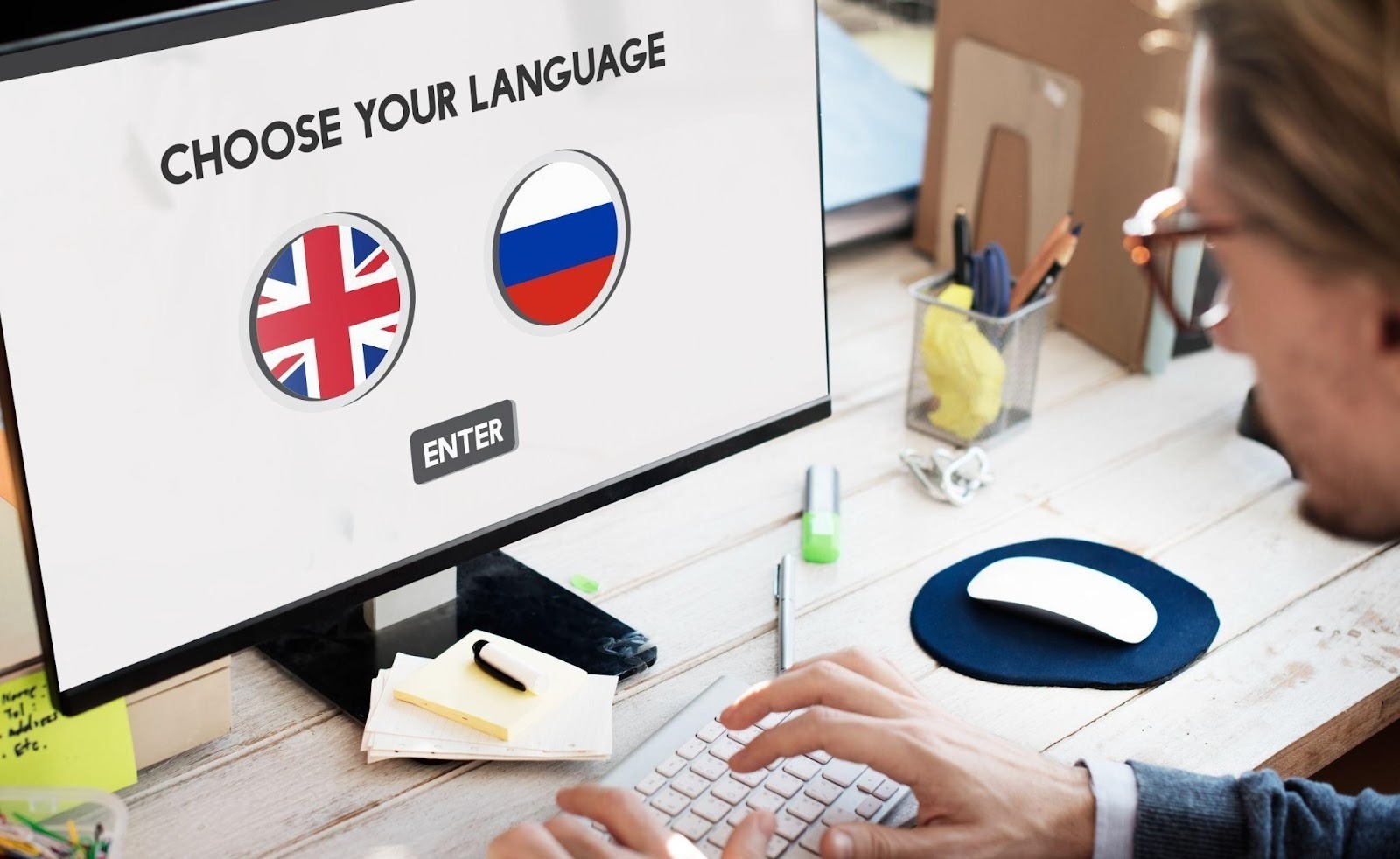
E-commerce businesses translate their websites from English to French to bring business messages to French-speaking readers. But once the work begins, it feels less like changing languages and more like adjusting an atmosphere. The words carry over easily enough; what doesn’t carry over is the mood. The cadence shifts, the cultural cues rearrange themselves, and a message that felt effortless in English suddenly needs a different kind of sensitivity to land well in French. This is where English to French website translation services become invaluable, guiding the process with expertise that balances linguistic precision and cultural nuance.
Understanding the French-Speaking Audience
One thing people discover quickly is that “French-speaking audience” is a very loose umbrella. The voice that feels warm in Quebec can sound too emotional in France. A line that works perfectly in Belgium might feel flat in Switzerland. African French has its own rhythm entirely. These variations aren’t just accents; they are different worlds inside one language. If your website tries to address all these regions with the same tone, the message blurs. The French version becomes clearer the moment you narrow down who exactly you want to speak to.
How MarsTranslation Can Help in English to French Translation Services
The professional translation companies like MarsTranslation can make all the difference. Their team doesn’t just translate words; they craft content that feels native to each French-speaking region. Whether it’s France, Quebec, Belgium, or Africa, they adjust tone, localization, SEO, and even technical layout issues to ensure your website reads naturally. MarsTranslation also considers industry-specific language, legal requirements, and user experience, making sure your French website isn’t just accurate but engaging and effective. With their expertise, your site becomes more than a translation; it becomes a tailored experience designed to connect with your audience.
Tone and Voice Shift More Than Expected
English has this playful bounce that doesn’t always survive translation. French, on the other hand, prefers a steadier tone, friendly, yes, but not overly animated. Something that sounds energetic in English may tip into “trying too hard” once translated directly. The job often becomes a quiet readjustment of emotional weight. A phrase is kept, but its temperature changes. A sentence stays, but its attitude shifts just enough to feel authentic to a French reader.
Localization: Where the Real Transformation Happens
A website can be translated perfectly and still feel strangely foreign. It shows up in little things like visual metaphors that don’t resonate, holidays that aren’t celebrated the same way, or idioms that don’t carry the same warmth. If a brand keeps a “Fall Sale” theme, complete with swirling orange leaves, on its French pages, it might seem fine technically. But if French users don’t associate autumn with that kind of retail excitement, the page will feel mismatched even if no one says it out loud. Localization is the part that removes cultural divides. It adjusts the cultural backdrop so the entire experience fits naturally. Just as professional German translation services adapt campaigns for Germany’s cultural landscape, French localization ensures your website feels native to each French-speaking region.
French SEO Doesn’t Behave Like English SEO
Search patterns change dramatically between languages. French users often type longer queries. Some use articles in searches. And occasionally the most obvious English keyword simply isn’t what French speakers ever type. You can have beautifully written French content that ranks for absolutely nothing. That’s why French SEO requires its own research, not a mirrored English keyword list, but an entirely separate understanding of how people in France, Quebec, Belgium, and elsewhere search online.
Technical Details: The Hidden Trouble Spots
French takes up more space visually and physically. Buttons stretch. Headings spill over. A menu that looked clean in English suddenly feels crowded. And then there are accents. A font that looks sharp in English may choke on “é” or “ô.” CMS systems that aren’t configured for French sometimes replace accented characters with empty squares, making the page look unfinished. Even line breaks behave differently. English breaks neatly; French breaks where it feels like breaking. These tiny shifts reshape the whole layout.
Legal and Regional Requirements
France has very specific expectations when it comes to how information must be presented. Privacy policies, disclaimers, product details—many of these need more than simple translation. They need conformity to French legal phrasing and, in some cases, mandatory French-language sections. This part of the process rarely gets attention upfront, yet ignoring it can create real problems later on.
User Experience: How French Users Move Through a Page
French users tend to read before they click. They look for structure. They want space to breathe between ideas. And because French text visually appears denser, the page can easily feel cluttered unless spacing, padding, and hierarchy are adjusted accordingly. UX choices: those quiet decisions about rhythm and layout become part of the translation without anyone labeling them as such.
Industry Tone Changes Everything
Each industry speaks its own dialect of French. A beauty brand leans into softness. Tech prefers minimalism and clarity. Healthcare needs absolute precision. Finance follows strict, almost rigid terminology. Using the wrong tone is noticeable, even to non-experts. It creates a faint sense of “something’s off,” which is often harder to fix than the translation itself.
The Human Element: Empathy Shapes the Final Result
In the end, the quality of a French website isn’t decided by grammar alone. What shapes it most is the translator’s empathy, the ability to imagine someone in Lyon, Montreal, Dakar, or Brussels reading the content in real time. A translator with that instinct doesn’t just translate; they welcome. They create a reading experience that feels natural to the person on the other side of the screen.
Final Thoughts
Translating a website into French isn’t a mechanical swap from one language to another. It’s a redesign of how information feels, reads, and behaves. You start paying attention to tone, to cultural hints, to spacing, and to legal nuance. Slowly, the translated version stops feeling like a translation at all. It becomes its own space, familiar, but unmistakably shaped for the people you want to speak to. Partnering with a professional service like MarsTranslation ensures this process is seamless, effective, and true to your brand voice.