
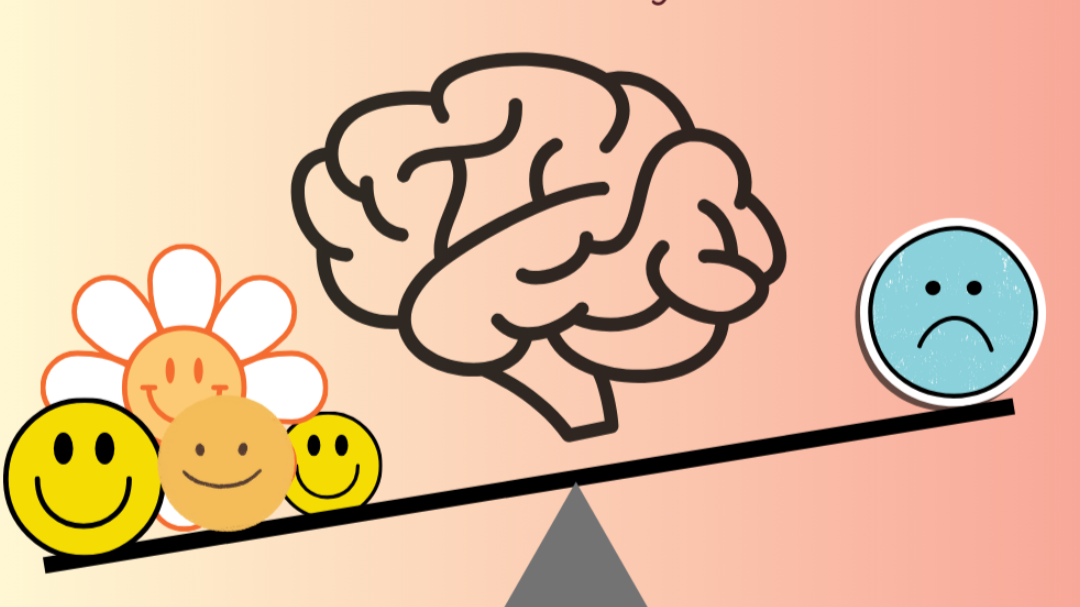
Negativity Bias Keeps Limiting Beliefs Alive
Most people assume limiting beliefs come from dramatic moments. A harsh teacher, a bad breakup, a public failure, a painful childhood memory. Those moments can matter, of course, but they are not always the main reason a limiting belief sticks around. Often, the belief survives because your mind keeps feeding it. Not in some strange or broken way, but in a very human way. Your brain is built to hold onto what feels threatening, embarrassing, or disappointing more tightly than what feels encouraging.
That is one reason people looking into bankruptcy debt relief are often wrestling with more than finances alone. They may also be carrying a story about themselves that says, “I always mess things up,” or “I am just not good with money,” or “People like me do not recover from this.” The practical problem matters, but the mental pattern around it matters too. A single setback can turn into a permanent identity when negativity bias keeps replaying it.
This is what makes negativity bias so powerful. It does not just make bad experiences feel bigger. It also gives limiting beliefs a steady supply of evidence. Your mind remembers the criticism more clearly than the praise. It replays the one awkward moment instead of the ten competent ones. It notices what went wrong, then uses that as proof of what is supposedly always true about you. Over time, that can make self-doubt feel less like a passing feeling and more like a fact.
Your Brain Is Not Trying to Ruin Your Confidence
Negativity bias sounds like a flaw, but it started as a survival feature. Human beings evolved to pay close attention to threats. Missing one dangerous signal in the environment could be costly, while missing one pleasant detail usually was not. So the brain got very good at spotting what might hurt, embarrass, exclude, or endanger us.
That wiring still shows up in modern life, even when the “threat” is no longer a predator in the wild. Now the threat might be social rejection, failure, criticism, uncertainty, or the fear of falling behind. Research summarized in this PubMed review on negativity bias in social emotional development helps explain why negative information tends to carry more weight than positive information in the mind. In simple terms, the brain is often scanning for trouble first.
The problem is that this survival setting can quietly distort everyday life. It can make one mistake feel more meaningful than months of effort. It can make one rejection feel more believable than many signs of progress. And that is exactly how limiting beliefs stay alive.
Limiting Beliefs Need Repetition More Than Proof
A lot of people imagine that limiting beliefs survive because they are deeply true. In many cases, they survive because they are deeply repeated.
If you already believe you are not capable, negativity bias helps you gather “evidence” that supports that conclusion. You forget the times you adapted, improved, or handled something well. But the one bad presentation, the one overspending month, or the one failed attempt gets stored like a headline. It becomes the story your brain reaches for first.
That is what makes limiting beliefs so convincing. They often feel researched, when really they are selectively edited.
You are not lying to yourself, exactly. You are remembering unevenly. Your mind gives more attention, more emotional weight, and more staying power to the negative material. The belief then feels validated, even when the larger picture is much more balanced.
Why Negative Feedback Sticks Longer Than Praise
Think about how this works in ordinary life. You get positive feedback from five people and one sharp comment from a sixth. Which one do you remember on the drive home? Usually the sharp comment.
You finish ten tasks well and stumble through one conversation. Which moment replays later that night? Usually the stumble.
This is not because the good stuff meant nothing. It is because the negative event created more internal alarm. Alarm tends to stick.
The Cleveland Clinic’s article on how negative self talk takes hold and how to change it speaks to this cycle clearly. Negative thoughts can become repetitive, familiar, and surprisingly persuasive when they go unchallenged. Once that happens, your internal voice can start sounding like a reporter when it is really acting more like a biased editor.
And that is how limiting beliefs become self maintaining. The more negative material stands out, the more believable the belief becomes. The more believable the belief becomes, the more likely you are to notice new negative material that supports it.
Negativity Bias Turns Moments Into Identity
This may be the most damaging part of the process. Negativity bias does not just magnify bad experiences. It encourages you to build identity out of them.
A mistake becomes “I am careless.”
A rejection becomes “I am unlikable.”
A financial setback becomes “I am irresponsible.”
A hard season becomes “I never get it right.”
That jump from event to identity happens fast. It feels natural because the mind likes simple explanations, especially when emotions are involved. But it is also deeply misleading. One event may say something about a moment, a skill gap, a circumstance, or a choice. It does not automatically say something permanent about who you are.
Still, when negativity bias is active, it can make temporary struggles feel like permanent traits. That is why people stay stuck in beliefs long after the original event should have lost its power.
The Bias Also Affects What You Expect Next
Negativity bias is not only about memory. It shapes anticipation too.
If your brain has stored negative experiences more vividly, it starts using them to predict the future. You assume a new attempt will fail because the old one did. You expect people to judge you because one person did. You hold back from trying because your mind is already preloading the disappointment.
This is where limiting beliefs become limiting behavior.
You stop raising your hand.
You stop applying.
You stop speaking up.
You stop trying a new system.
You stop trusting that progress is possible.
The belief then appears to come true, not because it was accurate, but because it influenced your behavior strongly enough to shrink your options.
Breaking the Cycle Starts With Seeing the Pattern
You do not have to eliminate negativity bias completely to weaken its effect. You just need to start noticing when it is editing your reality too aggressively. That might mean catching yourself after a hard moment and asking, “Am I treating this as information or identity?” It might mean noticing how quickly you dismiss praise but cling to criticism. It might mean asking whether your self description is based on the full record or just on the most emotionally charged examples. This is not fake positivity. It is better accounting.
You are not trying to pretend bad experiences do not matter. You are trying to stop giving them exclusive authority over the story. Once you do that, limiting beliefs begin to look less like truths and more like habits of attention.
A More Balanced Mind Is Not a Naive One
Some people worry that loosening negativity bias will make them unrealistic. But balance is not the same thing as denial. In fact, a more balanced mind is often more accurate.
It can admit that something went wrong without turning that into a prophecy.
It can take criticism seriously without turning it into a permanent self verdict.
It can remember wins, effort, resilience, and growth alongside the hard moments.
That kind of balance is what weakens limiting beliefs over time. The brain still notices the negative, but it no longer treats it as the only thing worth remembering.
You Do Not Need to Believe Every Thought That Feels Protective
Negativity bias often disguises itself as wisdom. It tells you not to get your hopes up. It tells you to expect less. It tells you to protect yourself by assuming the worst. That can feel smart, even mature. But sometimes it is just old wiring trying to stay in charge.
The fact that a thought feels protective does not mean it is accurate. And the fact that a belief has been with you for years does not mean it deserves to lead.
Negativity bias keeps limiting beliefs alive by making negative information louder, stickier, and more believable than it really is. Once you understand that, you can start treating some of your harshest conclusions with a little more skepticism. That may not sound dramatic, but it changes a lot.
Because the moment you stop treating every negative impression as a reliable truth, limiting beliefs lose some of the oxygen they depend on. And without that constant supply, they become much easier to question, loosen, and eventually outgrow.