The Power of Personalization: How Custom Products Turn Everyday Moments into Lasting Impressions
Introduction
Walk into any store, café, or office today and you’ll notice something striking: personalization is no longer a luxury—it’s an expectation. From the name on your morning coffee cup to the playlist generated by your streaming service, the modern consumer lives in a world where products and experiences are shaped to fit their unique tastes. At the heart of this shift lies a powerful truth: people don’t just want products, they want personalized connections.
This is why custom products are making waves across industries. They elevate the ordinary into the extraordinary, turning a simple gift, package, or even a vending machine into a memorable experience. When done well, personalization creates a bond between brand and customer that goes far beyond a transaction. It leaves an impression that lasts—sometimes for a lifetime.
Let’s dive deeper into the power of personalization, uncover why it resonates so strongly with consumers, and explore how businesses of all sizes—whether selling jewelry, sneakers, or custom vending machine wraps—can harness it to stand out in a crowded marketplace.
Why Personalization Works: The Psychology Behind It
The fascination with personalization isn’t new. Humans have always craved recognition and individuality. From monogrammed silverware in the Victorian era to custom-stitched jackets in the 1980s, personalization has historically been linked with prestige, status, and exclusivity. But in today’s world, technology has made it possible for personalization to scale—and that’s where the real magic lies.
Psychologists call this the “cocktail party effect”—our brains are wired to tune in to things that directly relate to us, like hearing our name in a noisy room. Custom products tap into the same mechanism. A mug with your initials, a phone case featuring your favorite quote, or even a vending machine in your school with your mascot printed across it—all of these signal ownership, recognition, and individuality.
But personalization also satisfies a deeper emotional need. It communicates:
You matter. Someone thought of you, specifically.
This is unique. It’s not just mass-produced—it’s for you and only you.
You belong. Personalization often reflects identity, culture, or community, making people feel connected.
When products deliver this level of emotional engagement, they become far more than physical objects. They become symbols of identity and memory.
From Ordinary to Iconic: How Custom Products Create Lasting Value
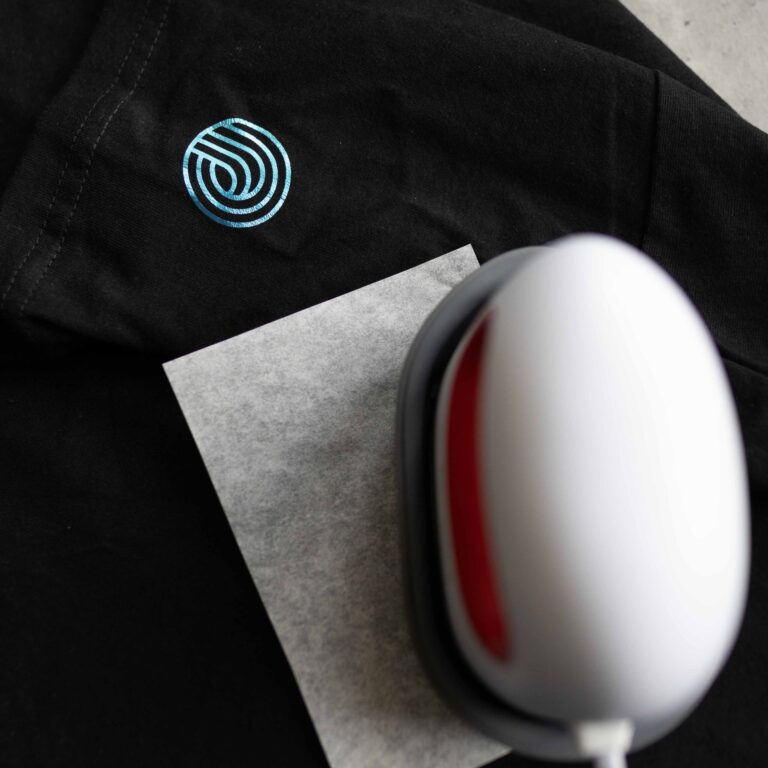
Think about the difference between buying a generic notebook versus receiving one with your name embossed on the cover. One is functional. The other is both functional and emotional—a keepsake that carries meaning when incorporated into event merchandise, turning a simple item into something memorable. That’s the leap custom products make: they turn everyday objects into icons.
Brands have noticed. Nike lets you design your own sneakers, Coca-Cola ran its famous “Share a Coke” campaign with names printed on bottles, and even Apple has long offered engraving on devices. These aren’t gimmicks. They’re strategies designed to deepen loyalty, foster word-of-mouth marketing, and create a story around the product.
And it works. Studies show that 80% of consumers are more likely to purchase when brands offer personalized experiences, while 63% say personalization makes them feel recognized as individuals rather than statistics. That recognition builds trust—and trust drives long-term loyalty.
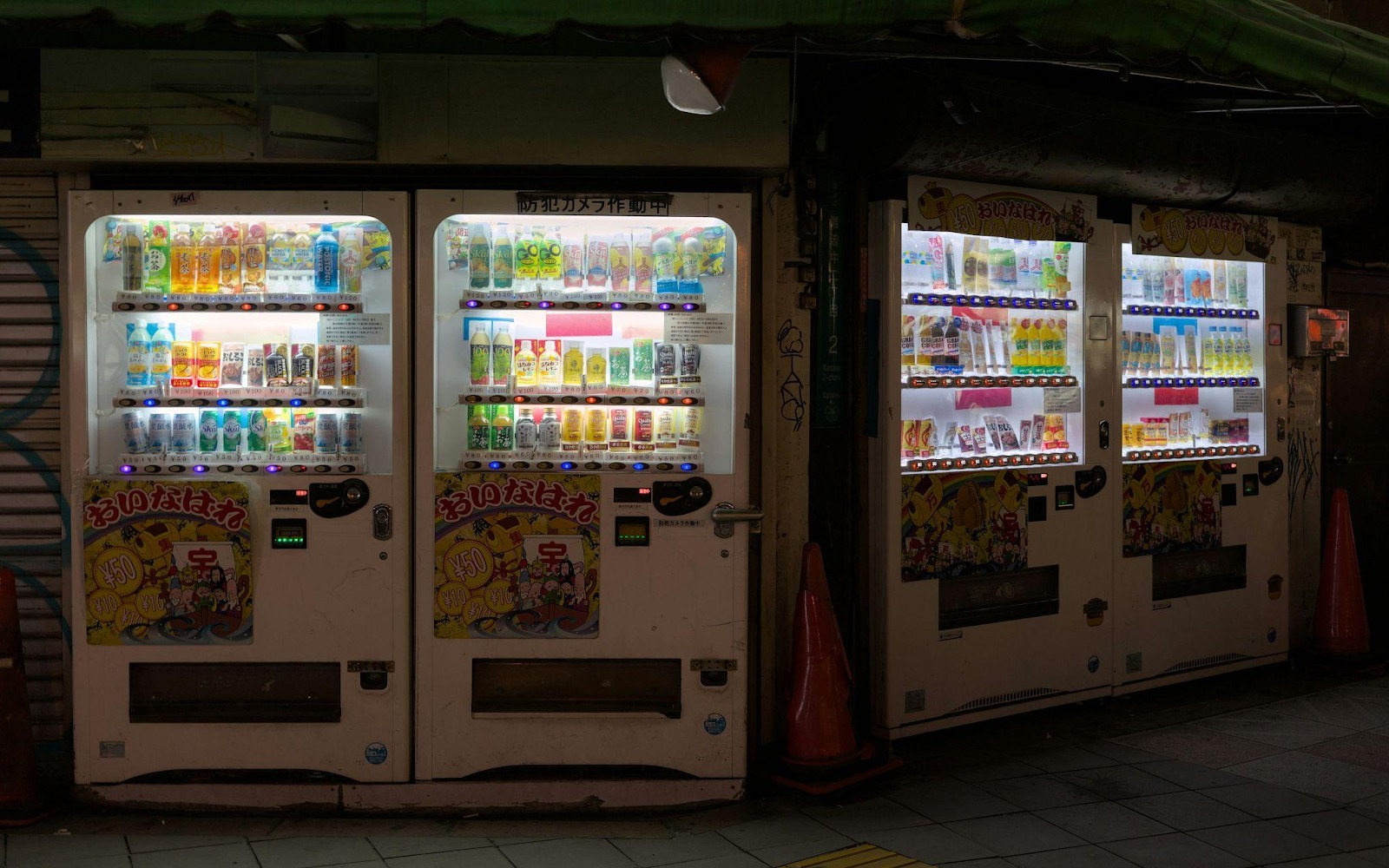
Custom vending machine wraps are an underrated but powerful example here. A plain vending machine is just a metal box. But wrap it with your brand colors, add a fun design, or feature a school logo, and suddenly that machine becomes a landmark, a talking point, and even a social media backdrop. It’s no longer just dispensing snacks—it’s building memories.
Personalization as Storytelling
One of the most overlooked aspects of personalization is its role in storytelling. A custom product isn’t just about design—it’s about narrative. When someone chooses or receives something personalized, they’re telling a story about themselves, their values, or their community.
For businesses, custom products are opportunities to embed brand stories into daily life. A coffee shop that prints customer names on reusable cups isn’t just serving drinks—it’s telling a story about sustainability, individuality, and care. A company that uses custom vending machine wraps in hospitals isn’t just providing snacks—it’s saying, “We see this space, we see its people, and we designed this machine for you.”
The best personalization strategies tap into this emotional layer. They don’t just ask, What do you want on your product? They ask, What do you want your product to say about you?
The Business Impact of Custom Products
Let’s be clear—personalization isn’t just about making people smile. It’s about driving measurable business results.
Here’s how custom products elevate businesses:
Increased Engagement: Personalized items grab attention faster and hold it longer. That could be the difference between a customer walking past your vending machine or stopping to buy.
Stronger Brand Recall: Custom products, whether packaging or wraps, keep your brand top-of-mind because they’re visually distinctive and emotionally resonant.
Higher Conversion Rates: Personalization reduces friction in decision-making. When a product feels tailor-made, people are less likely to hesitate and more likely to purchase.
Customer Loyalty: Personalization builds a sense of exclusivity, encouraging repeat business. Customers feel they’re part of a brand that truly “gets” them.
Premium Pricing: Consumers are willing to pay more for custom experiences. That margin can transform small businesses and elevate established brands.
Even in industries that seem purely functional—like vending—customization has huge potential. A school district with custom vending machine wraps featuring mascots and motivational slogans may see higher student engagement with healthier snack options. A corporate office with sleek, branded machines in its lounge elevates the workspace and reinforces company identity.
The Role of Technology in Scaling Personalization
What makes this era of personalization different from the past is scalability. Technology has unlocked the ability to deliver custom products at speed and scale, without the sky-high costs once associated with bespoke goods.
Digital printing allows small batches of custom packaging or wraps. E-commerce platforms let customers design products in real time, from shoes to water bottles. Data analytics predicts customer preferences, making personalization smarter and more relevant.
Even vending has embraced this shift. Custom vending machine wraps are printed with precision, durable enough to withstand years of use, and flexible enough to adapt to any location or branding requirement. Businesses can update designs seasonally, launch promotional wraps, or even run co-branded campaigns with local artists.
Technology ensures that personalization isn’t just for luxury—it’s for everyone.
Personalization as the Future of Branding
We’re at an inflection point. The businesses that thrive in the future won’t just sell products; they’ll sell personalized experiences that embed their brand into customers’ lives. Whether it’s through engraving, digital customization, or something as creative as a custom vending machine wrap, personalization will be the differentiator between companies that blend in and those that stand out.
Consumers are tired of being treated as numbers. They want to be seen, heard, and valued. Personalization provides that recognition—and in return, businesses earn loyalty, advocacy, and sustainable growth.
Final Thoughts: Everyday Moments, Lasting Impressions
In a world overflowing with options, custom products give consumers something priceless: a sense of identity. They transform everyday moments—grabbing a coffee, buying a snack, gifting a notebook—into experiences that leave an emotional imprint. That’s the true power of personalization.
Whether you’re a global brand, a local startup, or a vending operator experimenting with custom vending machine wraps, the opportunity is the same: personalization is your gateway to deeper customer relationships and stronger brand impact.
The future of business belongs to those who understand this simple truth: products may be consumed, but personalized experiences are remembered. And in the long run, it’s the memories you create that turn ordinary objects into icons.