Why BLS Training is Essential for Healthcare Workers
Introduction
Every day, healthcare workers face emergencies that can change a life in a moment. When someone’s heart stops or they stop breathing, quick action is the difference between life and death. That is where Basic Life Support (BLS) training becomes vital. BLS teaches the skills needed to respond with confidence. It helps people perform CPR, use a bag mask, and support breathing until advanced help arrives. For anyone working in healthcare, knowing how to act fast and correctly is not just useful. It is essential.
In this article, you will learn why BLS training matters, how it protects patients, and why it should be part of every healthcare worker’s skill set. Understanding this can help you feel more prepared to save a life when it matters most.
What BLS Training Teaches You
BLS training focuses on clear, hands-on skills. It teaches you how to do CPR on adults, children, and infants. You also learn how to use breathing devices to help someone who is not breathing well. The training shows how to check for signs of life and how to keep someone stable until help comes.
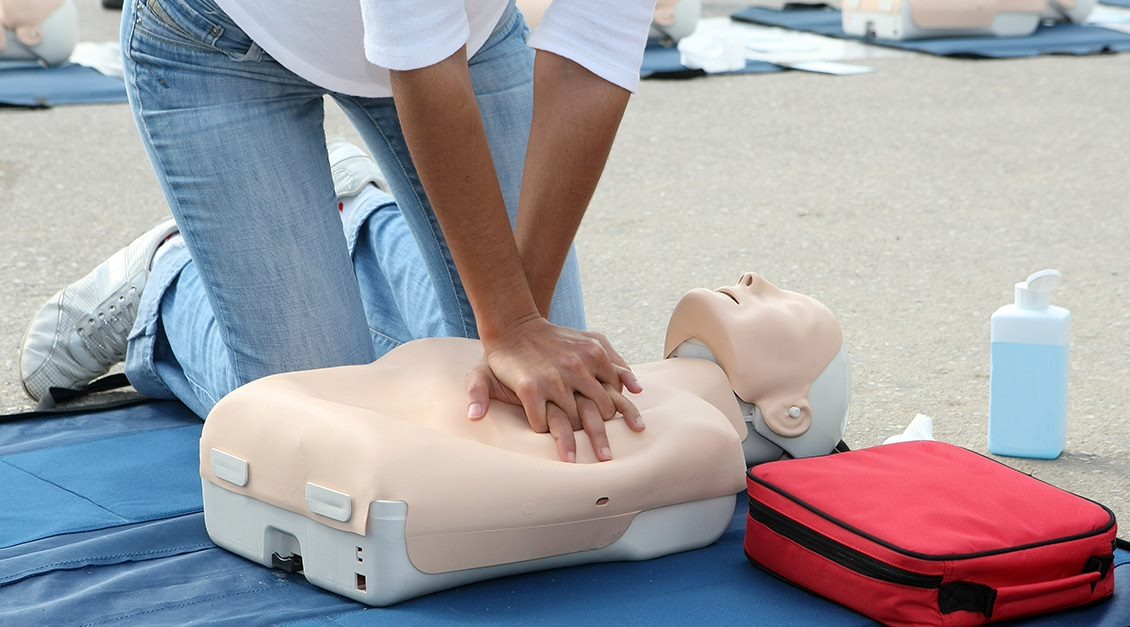
In class, you will practice chest compressions, rescue breathing, and teamwork with others. These skills are shown in simple steps so you can remember them in real life. This training gives you the confidence to act without fear when a sudden emergency happens.
The Link Between BLS and Better Patient Outcomes
Healthcare workers who know BLS help save more lives. When a person’s heart stops, every second counts. Starting CPR right away keeps blood flowing and gives the brain oxygen. The longer help is delayed, the more damage the body can suffer.
Studies show that early CPR and proper support can double or triple a person’s chance of survival. Healthcare teams trained in BLS work faster and more accurately. This makes a big difference in emergency situations. Knowing BLS is a key part of keeping patients safe and improving the chance of a full recovery.
Who Needs BLS Certification
Anyone who works in a medical setting should know BLS. This includes nurses, doctors, medical assistants, emergency responders, and even students training for health careers. Hospitals and clinics expect staff to be ready for emergencies at all times.
Many medical schools and training programs now require BLS certification. This helps students become better prepared for real-life situations. Being certified shows you have the skills and knowledge to act when it matters most. One way to get trained is through this BLS certification program: https://cprcertificationnow.com/products/bls-certification. This program can help you meet job requirements and stay confident in your abilities.
How BLS Training Builds Confidence
One of the biggest benefits of BLS training is feeling ready to help. Emergencies can feel scary, but BLS teaches you step-by-step actions to take. When you practice skills, you build muscle memory. This means that during a real event, your hands and mind know what to do.
Training also helps you stay calm under pressure. When you face a critical situation, stress can make it hard to think clearly. BLS training gives you a clear plan to follow. This plan helps reduce fear and hesitation. The more you practice, the more natural it becomes to step in and help.
The Teamwork Advantage in Emergencies
In many healthcare settings, emergencies involve teams of people. BLS training teaches not just skills but communication. You learn how to work with others to provide the best care. Clear communication helps teams avoid mistakes.
For example, when one person starts CPR, another might get a breathing device ready. Someone else might call for additional help. When everyone knows their role, the response is smoother and better organized. This teamwork can help save crucial seconds and improve the chance of a positive outcome.
Real-Life Scenarios Where BLS Helps
Imagine you are a nurse and a patient stops breathing. You might be the first person there. If you have BLS training, you can quickly assess the situation, start chest compressions, and call for help. Your quick action increases the person’s chance of survival.
Another example is a clinic receptionist who notices someone collapse in the waiting room. If that person is not breathing, starting CPR right away can keep them alive until emergency responders arrive. BLS skills are useful in many places, not only in hospitals.
These examples show that emergencies can happen anywhere. That is why having these life-saving skills matters for anyone in health care.
How Often Should You Renew Your BLS Skills
BLS skills stay sharp when practiced often. Most training programs recommend renewing certification every two years. This helps you stay up to date with the best techniques and any changes in guidelines.
Even between formal certifications, it helps to review your skills. Watching training videos, practicing with a partner, or joining refresher sessions can keep your skills ready. Regular review makes it easier to respond with confidence when needed.
Overcoming Common Fears About CPR
Some people worry about performing CPR because they fear doing it wrong. BLS training helps address these fears with hands-on practice. In training, you learn how hard and how fast to do chest compressions. You also learn how to protect yourself while helping someone.
Learning the correct steps helps reduce fear. When you know what to expect, you can focus on helping rather than worrying. Remember that taking action is always better than doing nothing in a true emergency. BLS prepares you to help safely and effectively.
The Role of BLS in a Safe Workplace
Healthcare settings need to be safe places for both patients and staff. Having trained personnel helps build a culture of safety. When workers know how to respond in emergencies, everyone feels more secure.
Employers also benefit from having BLS-trained staff. It shows that they take patient safety seriously. It can help reduce risk and protect the health of everyone who walks through their doors. BLS training supports a safer and more prepared workplace overall.
Common Questions People Ask About BLS
Here are a few simple questions many people have about Basic Life Support training:
- What age groups are covered in BLS skills?
Training includes adults, children, and infants. - Do I need special equipment to learn BLS?
No. Training uses practice tools like manikins to help you learn the movements. - Is BLS only for hospitals?
No. It can help in clinics, schools, community centers, and homes. - Will BLS training help in real life?
Yes. The skills you learn are the same steps used in real emergencies.
Conclusion
Basic Life Support training is a skill that saves lives. For healthcare workers, it is more than a certification. It is a promise to act with confidence and care in critical moments. BLS gives you the tools to respond to emergencies, protect patients, and stay calm under pressure. It also helps you work better with others when time is short.
Whether you are starting a healthcare career or renewing your skills, BLS training boosts your knowledge and your ability to help. Life can change in seconds, but trained hands and quick thinking can make all the difference. Learning and maintaining BLS skills is one of the most important steps a healthcare worker can take. You will feel more ready to face emergencies and more confident in your role as a caregiver.
Disclaimer
The information provided in this article is intended for general educational and informational purposes only. It is not a substitute for professional medical advice, diagnosis, or treatment, nor does it replace formal Basic Life Support (BLS) training or certification from an accredited provider. Healthcare guidelines and emergency response protocols may change over time, and individual workplace requirements may vary.
References to training programs or certification resources are provided for informational purposes only and do not constitute endorsements or guarantees of competency, outcomes, or employment eligibility. Readers are responsible for ensuring they complete approved BLS training and maintain certification in accordance with employer, regulatory, and professional standards.