From Speech to Text Made Easy How to Transcribe Audio with an Audio to Text Converter
Spoken communication has always been one of the most powerful ways to share ideas. Meetings, interviews, podcasts, lectures, and video recordings capture valuable insights in real time. Yet spoken content often becomes difficult to organize, revisit or reuse once the conversation ends. This challenge has grown as audio and video content continue to dominate digital communication.
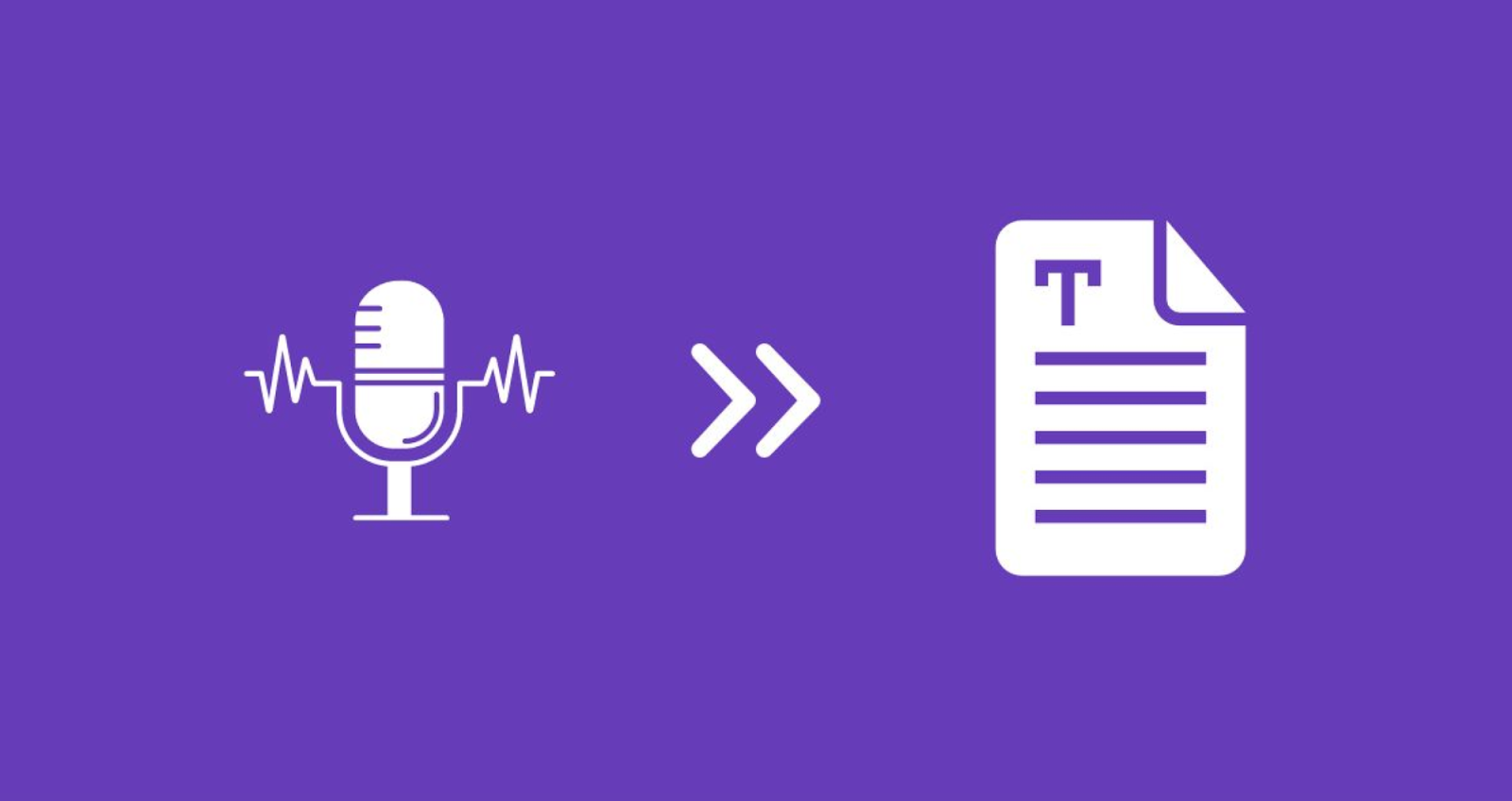
Today, the ability to transcribe audio quickly and accurately has become essential rather than optional. Written transcripts bring structure to spoken information, making it searchable, editable, and easy to share. With the help of a modern audio to text converter, transforming speech into clear written content is no longer a slow or complicated task. It is fast, reliable, and designed to support real world workflows.
Why Converting Speech into Text Matters More Than Ever
Audio recordings preserve tone, emotion, and nuance, but they are not always practical when time is limited. Searching through an hour long meeting recording to find a single decision wastes valuable productivity. Text, on the other hand, allows instant scanning, keyword searching, and efficient review.
When professionals transcribe audio, they create a permanent reference that can be reused across multiple purposes. Businesses gain accurate meeting records. Creators turn recordings into blogs, captions, and articles. Students and educators benefit from written lecture notes that support better understanding.
Transcription bridges the gap between spoken ideas and structured knowledge, making information easier to manage and more valuable over time.
The Evolution of Audio to Text Technology
In the past, transcription required careful listening and manual typing. This was a time-consuming and mentally taxing process. Errors were common, especially when dealing with accents, background noise, or multiple speakers.
Modern transcription technology has transformed this experience completely. A high quality audio to text converter uses advanced artificial intelligence to analyze speech patterns, context, and language structure. These systems are trained on massive datasets and continuously improve through learning.
As a result, users can upload their audio or video files and receive accurate, editable transcripts within minutes. What once took hours can now be completed during a coffee break.
Accuracy That Supports Professional Use
Accuracy is the foundation of useful transcription. A poorly transcribed document creates more work instead of saving time. Advanced AI transcription platforms focus on delivering transcripts that reflect the original speech with exceptional clarity.
These systems recognize natural pauses, sentence flow, and conversational structure. They understand different accents and speaking styles, making them reliable across a wide range of use cases. Whether the content involves business discussions, academic lectures, or creative storytelling, accurate transcription ensures that meaning is preserved.
For professionals who rely on precise documentation, this level of accuracy makes transcription tools trustworthy and practical.
Breaking Language Barriers with Multilingual Transcription
Global communication is now the norm. Teams collaborate across countries, creators reach international audiences, and organizations operate in multiple languages. Transcription technology supports this reality by offering multilingual speech to text capabilities.
A modern audio to text converter can process content in more than one hundred languages and dialects. This allows users to convert recordings from different regions without switching tools or workflows. Multilingual transcription helps organizations work more efficiently while expanding their reach.
By eliminating language barriers, transcription becomes a powerful tool for inclusivity and global collaboration.
Speaker Identification Brings Order to Conversations
Many recordings involve multiple participants, such as interviews, meetings, and panel discussions. Without speaker identification, transcripts can feel confusing and disorganized.
Intelligent transcription systems automatically distinguish between different voices by analyzing tone and speech characteristics. Each speaker is clearly labeled, allowing readers to follow conversations naturally. This feature is especially valuable for professional settings where clarity and accountability matter.
Speaker identification turns complex conversations into structured, readable documents that are easy to reference and share.
Flexible Export Options for Real Workflows
Once speech has been converted into text, the next step is using that content effectively. Different projects require different formats. Some users need simple text files for editing, while others require subtitles, formatted documents, or PDFs.
Modern transcription platforms provide flexible export options that fit seamlessly into existing workflows. Transcripts can be downloaded in various formats with timestamps and speaker labels included. This flexibility saves time and ensures that content is ready for immediate use.
Whether the goal is publishing, captioning, documentation, or archiving, transcripts adapt to the user’s needs.
A Simple Process Designed for Everyone
Despite the advanced technology behind it, transcription is designed to be easy for anyone to use. The process usually involves three straightforward steps.
First, users upload their audio or video file. Most platforms support common formats and allow quick uploads. Next, the AI engine processes the content, converting speech into text with optional features like language selection and speaker identification. Finally, users download the completed transcript in their preferred format.
This simplicity allows professionals, creators, and students to transcribe audio without technical expertise or training.
Who Benefits from Speech to Text Tools
• Content creators use transcripts to repurpose podcasts and videos into blogs, articles, captions, and written content.
Businesses rely on transcription for accurate meeting documentation, training materials, and clear internal communication.
• Educators and students benefit from searchable lecture notes that improve learning, revision, and understanding.
Researchers and journalists manage interviews more efficiently by turning recordings into organized written records.
• Legal and corporate teams maintain precise documentation and records without the need for manual transcription.
In any environment where spoken information exists, transcription adds value by converting speech into structured and accessible text.
Supporting Productivity Without Replacing Human Insight
One of the most important aspects of transcription technology is that it supports human work rather than replacing it. An audio to text converter does not interpret meaning or make decisions. It handles the repetitive task of converting speech into text.
By removing this burden, professionals gain time to focus on analysis, creativity, strategy, and problem solving. This balance between automation and human input leads to better results and healthier workflows.
Transcription allows people to spend less time managing information and more time using it meaningfully.
Looking Ahead at the Future of Transcription
Speech to text technology continues to evolve rapidly. Future improvements may include even better context awareness, stronger handling of background noise, and deeper integration with productivity platforms.
As these tools become more intelligent, transcription will feel less like a separate task and more like a natural extension of communication. The ability to transcribe audio accurately and instantly will remain a core component of modern digital workflows.
Conclusion
Turning spoken content into written text has never been easier. With the help of an advanced audio to text converter, anyone can transcribe audio quickly, accurately, and efficiently.
From meetings and interviews to podcasts and lectures, transcription transforms speech into searchable, editable, and shareable content. It saves time, improves accessibility, and supports productivity across industries.
As communication continues to evolve, transcription technology will remain an essential tool for turning conversations into clarity and ideas into lasting value.
Disclaimer
The information provided in this article, “From Speech to Text Made Easy: How to Transcribe Audio with an Audio to Text Converter,” is intended for general informational and educational purposes only. While we strive to provide accurate and up-to-date content about transcription technology and audio to text converters, we make no guarantees regarding the completeness, reliability, or accuracy of the information presented.
Use of any transcription tools or software mentioned in this article is at your own discretion and risk. Results may vary depending on the quality of the audio, accents, background noise, and the specific software used. This article does not constitute professional, legal, or technical advice.