
Dentiloquent: Hidden Language of Speaking Through the Teeth
Language has always been a powerful tool for expressing human emotions, intentions, and personality. Many words describe not only what people say but also how they say it. One such fascinating and rarely used term is Dentiloquent. Although the word is uncommon in everyday conversation, it carries a precise and vivid meaning that reveals subtle aspects of human communication.
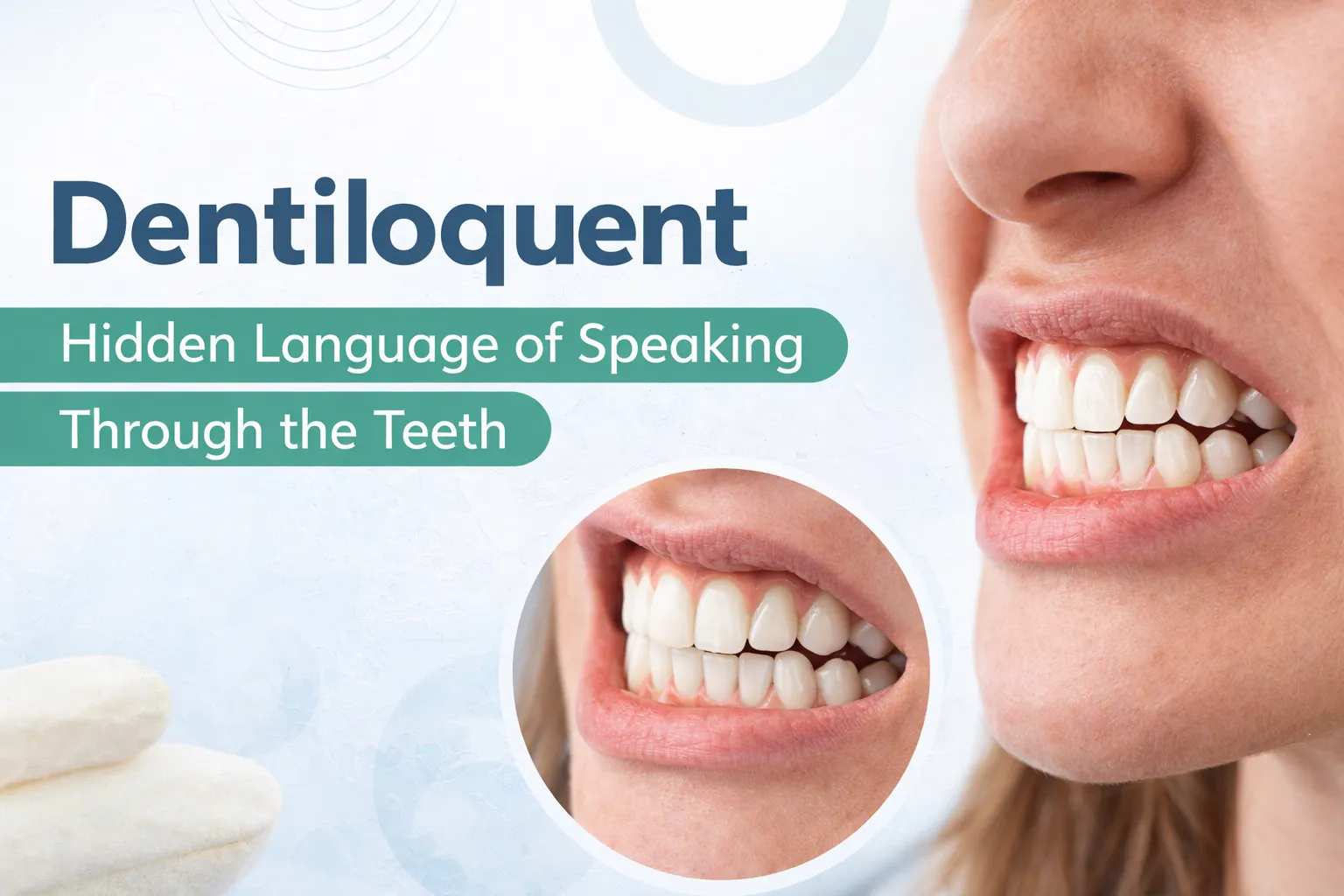
The term Dentiloquent refers to speaking through clenched or nearly closed teeth. This way of speaking often reflects restrained emotion, suppressed anger, tension, or intense concentration. When someone talks dentiloquently, their words may sound tight, controlled, or slightly muffled because their teeth remain almost closed during speech.
Understanding the meaning of Dentiloquent helps reveal how language can capture even the smallest physical details of human behavior. It is an excellent example of how vocabulary can describe not just speech itself, but the emotional context surrounding it.
The Meaning of Dentiloquent
Dentiloquent is an adjective that describes a particular way of speaking. Specifically, it refers to speech produced while the teeth are clenched or nearly closed. This posture affects the sound and tone of speech, making it appear restrained or tense.
Dentiloquent speech often occurs in situations where someone is trying to control strong emotions. For example, a person who feels angry or frustrated may clench their teeth while talking in order to maintain composure. The result is speech that sounds controlled yet emotionally charged.
In everyday life, people sometimes speak dentiloquently without realizing it. This can happen during stressful conversations, arguments, or moments of intense focus. The word Dentiloquent captures this subtle form of expression with remarkable precision.
While the concept itself is familiar to many people, the specific term Dentiloquent remains relatively rare. This rarity gives the word a certain elegance and makes it especially useful in descriptive writing.
The Linguistic Origin of Dentiloquent
Dentiloquent comes from Latin roots that describe the physical act of speaking through the teeth. It combines two key elements from classical language.
The first part comes from the Latin word dens or dentis, which means “tooth.” The second part originates from loqui, a Latin verb meaning “to speak.” When these elements are combined, they create a term that literally translates to “speaking through the teeth.”
This linguistic structure reflects the way many English words are formed from Latin components. Such words often describe precise actions or states with remarkable clarity.
The related noun form dentiloquy refers to the act or habit of speaking through clenched teeth. Another related term is dentiloquist, which describes a person who speaks in this manner.
Although these terms are rarely used today, they demonstrate how classical language influenced the development of English vocabulary.
Dentiloquent Speech in Everyday Life
Despite its rare appearance in dictionaries and literature, the phenomenon of Dentiloquent speech is surprisingly common. People often speak through their teeth when they feel strong emotions that they prefer to hide or control.
For example, imagine a situation in which someone must remain professional while feeling irritated or upset. Instead of raising their voice, they may respond calmly but with their teeth clenched. The resulting speech becomes tight and controlled, reflecting the emotional tension beneath the surface.
Dentiloquent speech can also appear in moments of determination or concentration. Athletes, for instance, sometimes speak through their teeth during intense physical effort. In these situations, the expression reflects focus rather than anger.
Because this form of speech carries emotional cues, listeners often recognize it even without knowing the word Dentiloquent.
The Psychological Meaning Behind Dentiloquent Speech
The way people speak often reveals their emotional state. Dentiloquent speech is particularly interesting because it reflects the effort to control emotions rather than express them freely.
When a person clenches their teeth while speaking, they are physically restricting the movement of their jaw and mouth. This restriction can indicate that the speaker is attempting to maintain composure despite feeling strong emotions.
Psychologists often interpret such speech patterns as signs of restraint or tension. A dentiloquent tone may suggest suppressed frustration, controlled anger, or intense determination.
This connection between emotion and speech demonstrates how body language and vocal patterns interact. The way they are delivered can reveal much more.
Dentiloquent in Literature and Creative Writing
Writers frequently use descriptive language to portray characters’ emotions and personalities. Words like Dentiloquent allow authors to illustrate subtle emotional states without lengthy explanations.
In literature, a character who speaks dentiloquently may be trying to hide anger, frustration, or impatience. The description immediately suggests tension within the scene.
For example, a novelist might describe a character responding to an insult in a dentiloquent voice. This single word can convey both the character’s emotional struggle and their effort to remain composed.
Such vivid descriptions help readers visualize scenes more clearly and connect with the emotional dynamics of a story.
Dentiloquent Compared With Other Speech Descriptions
English contains many words that describe different styles of speech. However, few capture the specific physical detail represented by Dentiloquent.
Some related descriptions include muttering, whispering, or gritting one’s teeth while speaking. Each of these expressions conveys a slightly different tone or intention.
Muttering usually suggests quiet or unclear speech, often associated with annoyance or distraction. Whispering indicates a very soft voice used for secrecy or privacy. Speaking through clenched teeth, however, implies controlled tension.
Dentiloquent speech is distinct because it describes the physical posture of the mouth rather than simply the volume or clarity of the voice.
This distinction highlights the precision that language can achieve when describing human behavior.
Why Dentiloquent Is a Rare Word
Despite its descriptive power, Dentiloquent is not widely used in everyday language. Most people prefer simpler phrases such as “speaking through clenched teeth” or “gritting their teeth while talking.”
There are several reasons why the word remains rare.
First, English tends to simplify expressions over time. Short, familiar phrases often replace more complex or technical terms. Second, many speakers may not encounter Dentiloquent in common reading or conversation.
However, rare words often hold special value in academic writing, linguistic discussions, and creative storytelling. Dentiloquent belongs to this category of precise yet uncommon vocabulary.
Language enthusiasts and writers sometimes enjoy rediscovering such words because they add nuance and variety to communicatin.
The Role of Dentiloquent in Modern Communication
In today’s fast-paced digital world, communication styles continue to evolve. Social media, messaging platforms, and video calls have changed the way people express themselves.
Interestingly, the concept behind Dentiloquent speech still appears in modern communication, even if the word itself remains unfamiliar. People often describe someone as speaking through their teeth during tense conversations or professional disagreements.
Video conferencing and online meetings sometimes reveal subtle facial expressions and speech patterns that might otherwise go unnoticed. A person speaking dentiloquently on camera may convey frustration even if their words remain polite.
Understanding such cues can improve interpersonal communication and help people interpret emotions more accurately.
Learning From the Word Dentiloquent
Studying unusual words like Dentiloquent can deepen our understanding of language and human expression. Words do more than label objects or ideas; they capture complex experiences and behaviors.
Dentiloquent reminds us that communication is not only about vocabulary but also about tone, posture, and emotion. The way we speak often reveals as much as the words themselves.
For students of language, rare words provide insight into linguistic history and cultural expression. For writers, they offer powerful tools for vivid description.
Even though Dentiloquent may not appear in everyday conversation, it represents the richness and creativity of the English language.
The Continuing Relevance of Dentiloquent
Language constantly changes, yet certain words continue to hold relevance because they describe universal human behaviors. Dentiloquent belongs to this category.
People across cultures experience moments of restrained emotion, controlled frustration, or determined focus. Speaking through clenched teeth remains a recognizable human expression.
Because the phenomenon persists, the word Dentiloquent retains its descriptive value even if it remains uncommon.
Understanding such terms allows us to appreciate the depth of language and the subtle ways it reflects human experience.
Conclusion
Dentiloquent is a rare yet fascinating word that describes the act of speaking through clenched or nearly closed teeth. Derived from Latin roots meaning “tooth” and “to speak,” the term captures a specific style of speech often associated with restrained emotion or tension.
Although the word itself is not widely used today, the behavior it describes remains common in everyday life. People frequently speak dentiloquently when attempting to control frustration, anger, or intense concentration.
In literature, psychology, and communication studies, Dentiloquent provides a precise way to describe subtle human expressions. Its existence highlights the richness of language and the remarkable ability of words to capture even the smallest details of human behavior.
Exploring unique terms like Dentiloquent reminds us that language is more than a collection of words. It is a window into how people think, feel, and interact with the world around them.